
ShanghaiTex 2025
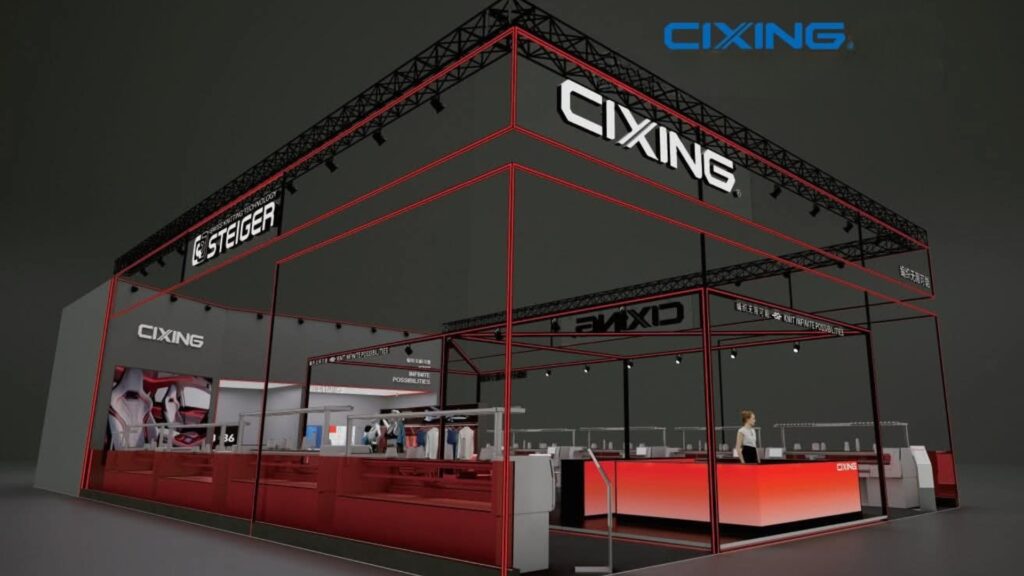
ShanghaiTex 2025 – A Gateway for Bangladesh’s Textile Industry.
Dates: December 16–19, 2025
Venue: Shanghai New International Expo Centre (SNIEC), Pudong, Shanghai
Theme: United for a Greener Textile Future
ShanghaiTex 2025 – United for a Greener Textile Future
The 20th Shanghai International Textile Machinery Exhibition (ShanghaiTex 2025) will be held from December 16–19, 2025 at the Shanghai New International Expo Centre, Pudong, Shanghai.
As Bangladesh continues to lead the global textile and garment industry, ShanghaiTex 2025 presents a unique opportunity for our manufacturers, exporters, and innovators to explore the latest in sustainable textile solutions, smart machinery, and digital transformation.
This premier event will showcase eco-friendly technologies, automation, and cross-industry innovations that align with Bangladesh’s vision for sustainable growth. By participating, Bangladeshi businesses can strengthen global partnerships, enhance compliance with international standards, and unlock new market opportunities.
Join us in shaping the future of textiles—where innovation meets sustainability.
Key Updates About ShanghaiTex 2025
- Dates & Venue: December 16–19, 2025, at the Shanghai New International Expo Centre (SNIEC), Pudong.
- Theme: United for a Greener Textile Future — focusing on sustainability, digitalization, and cross-industry innovation.
- Scale: Expected to host 422 exhibitors, 30,500 visitors, and cover 51,020 sqm of exhibition space.
- Pre-registration: Visitor pre-registration is now open, allowing attendees to secure e-badges for smoother entry.
Major Trends & Highlights
ShanghaiTex 2025 is positioning itself as a technology-driven and sustainability-focused expo. Here are the headline innovations:
Sustainable Manufacturing & Green Practices
- Water-saving and waterless dyeing technologies (up to 80% less water use compared to traditional methods).
- Eco-friendly fibers, biodegradable materials, and recycling innovations.
Digital Transformation Across the Value Chain
- Cloud-based management tools, PLM systems, and big data analytics for smarter production.
- AI-driven supply chains enabling faster turnaround (e.g., Zara’s two-week design-to-store cycle).
Smart Technologies: Digital Twins, AR/VR, IoT
- Real-time monitoring of machinery with digital twins.
- AR/VR for virtual clothing customization and consumer try-ons.
Circular Economy & Waste Reduction
- Recycling old garments into new products.
- Designing durable, repairable textiles to minimize waste.
Smart Textiles & Wearables
- Integration of wearable technology, rehabilitation textiles, and functional materials for next-gen apparel.
Automation & AI Integration
- Demonstrations of robotic systems and AI-enabled production technologies.
Quick Comparison of Focus Areas
| Focus Area | Key Innovations | Impact |
|---|---|---|
| Sustainability | Waterless dyeing, biodegradable fibers | Lower environmental footprint |
| Digital Transformation | AI supply chains, PLM systems | Faster production cycles |
| Smart Tech (AR/VR, IoT) | Digital twins, virtual try-ons | Efficiency + consumer engagement |
| Circular Economy | Recycling, repairable design | Waste reduction |
| Automation & AI | Robotics, smart machinery | Higher productivity |
Exhibition Scale
| Metric | Details |
|---|---|
| Number of Exhibitors | ~422 companies |
| Expected Visitors | ~30,500 professionals |
| Exhibition Space | ~51,020 sqm |
| Dates | December 16–19, 2025 |
| Venue | Shanghai New International Expo Centre (SNIEC), Pudong |
What This Means for Bangladesh
- Global Reach: With over 400 companies exhibiting, Bangladeshi textile businesses can explore partnerships with machinery manufacturers, chemical suppliers, and automation innovators.
- Technology Transfer: Exhibitors will showcase smart textiles, digital printing, automation, and eco-friendly solutions—critical for Bangladesh’s push toward sustainable production.
- Competitive Advantage: Attending gives Bangladeshi firms early access to innovations that can reduce costs, improve compliance, and strengthen export competitiveness.
- Networking: 30,000+ visitors means ample opportunities to connect with buyers, suppliers, and industry leaders worldwide.
Evolution of ShanghaiTex Exhibition
Early Years (1980s–1990s):
ShanghaiTex began as a regional exhibition showcasing traditional textile machinery and equipment, primarily serving China’s booming textile industry. It provided a platform for local manufacturers to connect with international suppliers.2000s – Global Expansion:
The exhibition grew in scale, attracting international exhibitors and visitors. It started to highlight automation, advanced weaving, knitting, and dyeing technologies, reflecting the modernization of China’s textile sector.2010s – Digital & Smart Manufacturing:
ShanghaiTex embraced Industry 4.0 concepts, introducing digital printing, intelligent manufacturing, and smart textiles. The event became a hub for cross-industry collaboration, integrating IT, robotics, and e-commerce into textile production.2020s – Sustainability Revolution:
Recent editions have focused heavily on eco-friendly technologies, circular economy practices, and green manufacturing. ShanghaiTex now positions itself as a driver of sustainable progress, bridging traditional craftsmanship with cutting-edge digitalization.
Significance Today
- ShanghaiTex 2025 is positioning itself as Asia’s leading textile technology platform, emphasizing eco-friendly production, digital innovation, and cross-industry collaboration. For Bangladeshi textile leaders like yourself, Munshi, this event is a strategic opportunity to connect with global innovators, benchmark sustainable practices, and explore next-gen machinery that can elevate competitiveness in apparel sectors.